the boring part cost $14 billion
meta just paid $14.3 billion for nearly half of a company that labels data. not for the flashy model. not for the secret algorithm. for the labeling. for the grunt work.
scale ai became a $29 billion company by doing the stuff no one ever wants to brag about at a dinner party. we are talking about thousands of humans tagging images, rating chatbot answers, checking messy code, and cleaning up the digital swamp. it is slow, expensive, and completely invisible work to the average person. and yet, mark zuckerberg just wrote one of the biggest checks in the history of his company for it.
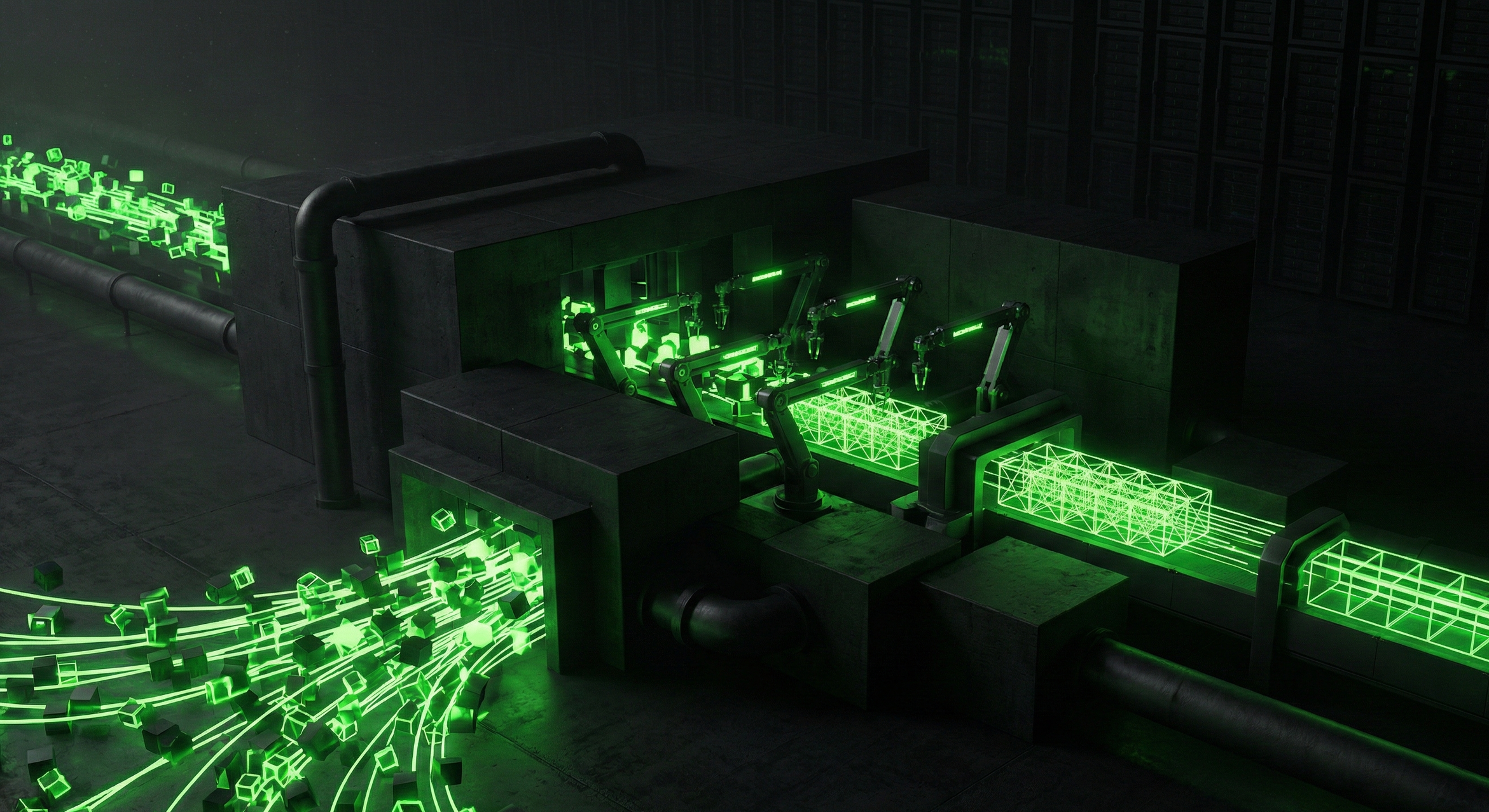
why? because even the most brilliant innovation is totally useless if you can’t feed it. alexandr wang figured out the secret early on... infrastructure beats ideas at scale every single time. that’s why meta didn’t just invest—they basically hired him to lead their new superintelligence lab. they realized that if they want to win the ai war, they don't just need more gpus. they need the pipes. they need the high-quality, human-validated data that makes the machine actually smart instead of just loud.
this pattern repeats in every revolution. bitcoin didn’t scale because of some high-level ideology or a few clever slogans. it scaled on the backs of miners, cold storage custody, compliance layers, and boring payment systems that don't look cool in a demo. the world spent years arguing about the "vision" of satoshi while the settlers were busy building the plumbing. ai won't win because someone writes a clever prompt. it wins on the back of massive data pipelines that no one sees and very few people actually know how to build. it is the same in robotics. it is the same in energy. it is the same in finance. the flashy demo is what gets the applause and the magazine covers. but the boring pipes are the thing that actually gets paid.
if you are looking for the next big opportunity, stop looking for the magic. start looking for the mess. find the part of the process that everyone else thinks is too slow or too tedious to handle themselves. that is where the real value is hiding. the question you should be asking yourself isn't what "breakthrough" you’re chasing today. the real question is: what infrastructure are you actually building?
the future isn't just going to be imagined. it is going to be labeled, sorted, and piped. are you the one holding the paintbrush or the one building the wall?